.svg)

.svg)
.svg)


Baby Root Canal (Pulp Therapy) in Miami Lakes
Protect your child’s damaged tooth with gentle baby root canal treatment in Miami Lakes. Our pediatric dental team uses child-friendly care and personalized comfort measures to treat the tooth, reduce discomfort, and help preserve your child’s developing smile.


PEDIATRIC DENTIST ACCEPTING NEW PATIENTS NEAR YOU
PEDIATRIC DENTIST ACCEPTING NEW PATIENTS NEAR YOU
PEDIATRIC DENTIST ACCEPTING NEW PATIENTS NEAR YOU
PEDIATRIC DENTIST ACCEPTING NEW PATIENTS NEAR YOU
PEDIATRIC DENTIST ACCEPTING NEW PATIENTS NEAR YOU
PEDIATRIC DENTIST ACCEPTING NEW PATIENTS NEAR YOU
PEDIATRIC DENTIST ACCEPTING NEW PATIENTS NEAR YOU
What Is a Baby Root Canal?
A baby root canal, clinically known as pulp therapy, is a treatment used when deep decay, infection, or dental trauma reaches the soft tissue inside a baby tooth. This inner tissue contains nerves and blood vessels that help the tooth develop. Depending on the condition of the tooth, treatment may involve removing only the affected tissue from the upper part of the tooth or cleaning tissue from both the crown and roots.
The treated area is then protected with a suitable dental material, and a crown may be placed to restore strength and function. Pulp therapy can help preserve an important baby tooth until it is naturally ready to fall out. Keeping the tooth in place supports comfortable chewing, speech development, and the spacing needed for the permanent tooth growing underneath.
.avif)
Miami Lakes Kid's Favorite Pediatric Dentist
Jorman Garcia, DMD, MS
Meet Dr. G, he is specially trained to care for the dental needs of children, from infants to young adults. In addition to providing clinical care, Dr. G is also skilled in educating children and their parents about oral hygiene and nutrition, and helping children develop healthy habits that will last a lifetime. He understands that children may feel anxious or nervous about visiting the dentist, and he takes care to create a welcoming and relaxing atmosphere in his office. By combining his technical expertise with a compassionate and gentle approach, Dr. G is able to help children feel comfortable and confident in their dental care.
When he's not in the office, you can find Dr. G trying new restaurants and enjoying his favorite hobbies like fishing and cooking. He also loves traveling and spending time with his dog, Bimini.
.svg)
Why Choose Us for Baby Root Canal Treatment?
We understand that hearing the words “root canal” can concern parents. Our pediatric dental team carefully evaluates the tooth, explains the recommended treatment in clear language, and provides support tailored to your child’s age and comfort level. We focus on protecting the tooth whenever appropriate while making the appointment as positive and manageable as possible.
Child-Friendly Treatment
We explain each step using simple, age-appropriate language and provide encouragement throughout your child’s appointment.
Careful Tooth Evaluation
Our team examines the tooth and uses digital X-rays when needed to understand the extent of decay, infection, or damage.
Comfortable Dental Care
We use appropriate numbing techniques and personalized comfort measures to support your child throughout treatment.
Durable Tooth Restoration
After pulp therapy, the tooth is restored and may be covered with a pediatric crown to help protect it from further damage.
Clear Parent Communication
We explain the findings, treatment plan, aftercare instructions, and signs that may require additional dental attention.
Personalized Pulp Therapy
The type of treatment is selected according to the health of the tooth’s inner tissue, root condition, and remaining tooth structure.

Benefits of Baby Root Canal Treatment
Helps Save the Baby Tooth
Pulp therapy may allow a deeply damaged tooth to remain in place rather than being removed before it is naturally ready to fall out.
Addresses the Source of Discomfort
Removing inflamed or infected tissue can treat the underlying dental problem responsible for tooth pain or sensitivity.
Restores Chewing Function
Treatment and restoration rebuild the damaged tooth so your child can return to more comfortable biting and chewing.
What to Expect During Baby Root Canal Treatment
Examine the Tooth
The pediatric dentist examines your child’s tooth and may take digital X-rays to assess the decay, roots, surrounding bone, and developing permanent tooth.
Keep Your Child Comfortable
The treatment area is carefully numbed. Our team explains what will happen using child-friendly words and supportive communication.
Treat the Tooth Pulp
The damaged or infected tissue is removed, and the inside of the tooth is cleaned. The specific procedure depends on whether the tooth needs a pulpotomy, pulpectomy, or another form of pulp treatment.
Restore and Protect the Tooth
A protective material is placed inside the treated tooth. The dentist then restores the tooth, often with a pediatric crown, and provides aftercare instructions for your child’s recovery.

Why Families Love Bite Pediatric Dentistry

.svg)

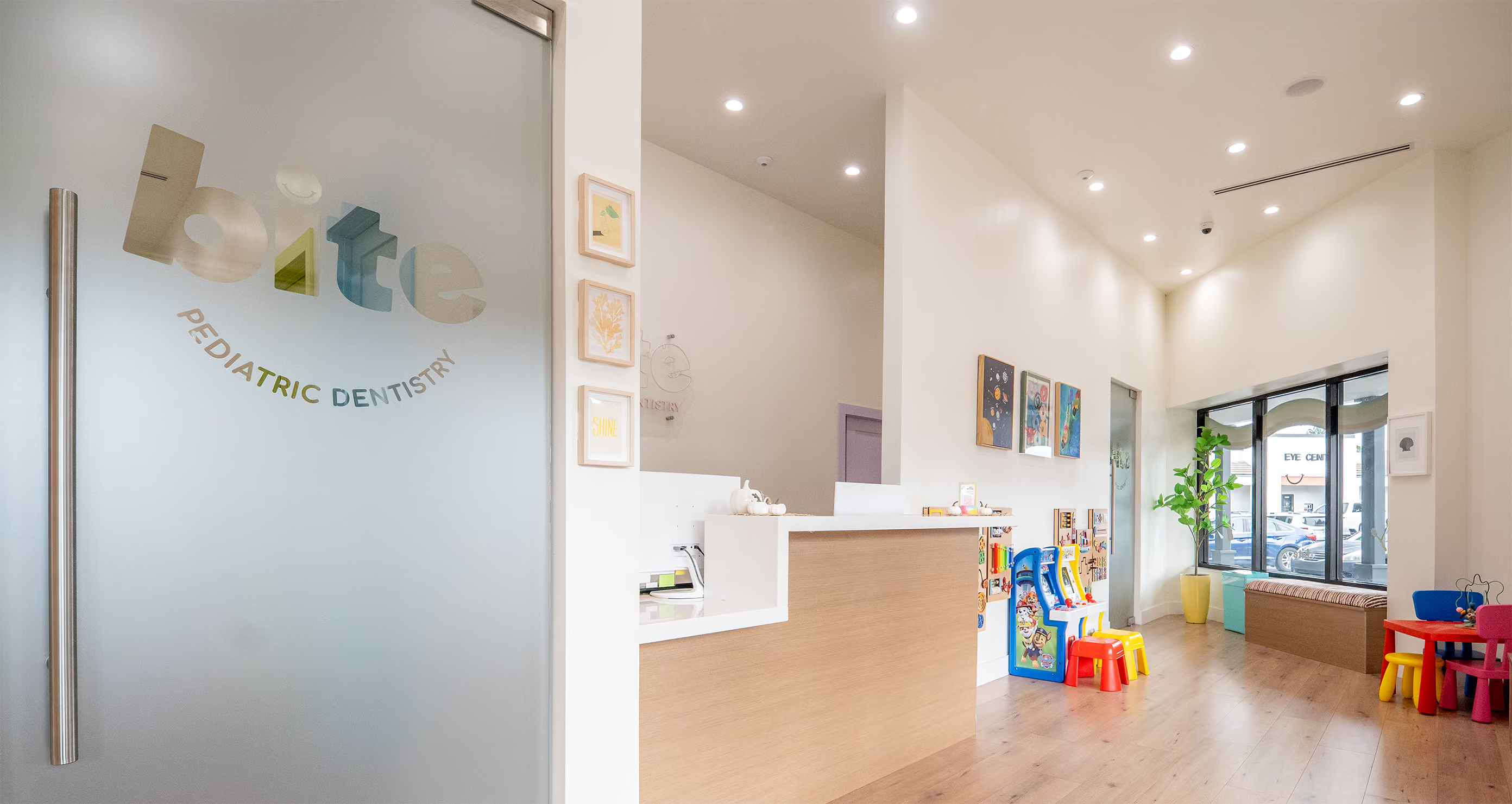
We create a warm, playful, and welcoming space where children feel relaxed, happy, and confident during their dental visit.

Renee G.
I had a great experience. Everyone was very sweet and calm and patient. My kids felt welcomed and safe. The place was clean. Minimal weight time. My kids asked me to bring them back again
Paula O.
Amazing dentist! The dentist and staff are very kind, patient, and professional. They always make my daughters feel comfortable and happy. Clean office and excellent care. Highly recommended!
Javier G.
My daughter has been coming to Bite to see Dr. Garcia since she was shy of a year old. She loves coming to the dentist. From the moment she walks into the waiting area to her chair.
Barbara P.
Frequently Asked Questions
What should my child eat after treatment?
Wait until the numbness has worn off before allowing your child to chew. Soft foods may be more comfortable initially, and sticky or hard foods should be avoided according to the dentist’s instructions.
Will my child need a crown after pulp therapy?
A pediatric crown is often recommended after pulp therapy, particularly for a back tooth. It covers and protects the remaining tooth structure so the tooth can continue functioning.
Is baby root canal treatment painful?
Baby teeth help children chew, speak clearly, and maintain space for permanent teeth. Saving a restorable tooth may prevent problems associated with losing it too early.
Why treat a baby tooth that will eventually fall out?
Baby teeth help children chew, speak clearly, and maintain space for permanent teeth. Saving a restorable tooth may prevent problems associated with losing it too early.
Why would my child need a baby root canal?
Pulp therapy may be recommended when deep decay, trauma, or infection affects the soft tissue inside a baby tooth. The dentist will assess whether the tooth can be restored and which treatment is appropriate.
Conveniently Located in Miami Lakes
Our pediatric dental clinic is conveniently located in Miami Lakes, making it easier for local families to access baby root canal treatment when a child has deep decay, dental trauma, or tooth discomfort. We provide a welcoming environment, child-friendly support, and clear communication from the initial evaluation through follow-up care.
Our Miami Lakes pediatric dental office also welcomes families from Hialeah, Hialeah Gardens, Miami Springs, Miramar, Doral, and surrounding communities. With weekday appointments, Saturday availability, and a child-friendly setting, we make it easier for parents to access personalized dental care close to home.
.svg)
.svg)
.svg)

.svg)
.svg)