.svg)

.svg)
.svg)


Pediatric Frenectomy in Miami Lakes, FL
Support your child’s comfort and oral function with personalized pediatric frenectomy care in Miami Lakes. Our child-friendly team carefully evaluates tongue-ties and lip-ties before recommending treatment.


PEDIATRIC DENTIST ACCEPTING NEW PATIENTS NEAR YOU
PEDIATRIC DENTIST ACCEPTING NEW PATIENTS NEAR YOU
PEDIATRIC DENTIST ACCEPTING NEW PATIENTS NEAR YOU
PEDIATRIC DENTIST ACCEPTING NEW PATIENTS NEAR YOU
PEDIATRIC DENTIST ACCEPTING NEW PATIENTS NEAR YOU
PEDIATRIC DENTIST ACCEPTING NEW PATIENTS NEAR YOU
PEDIATRIC DENTIST ACCEPTING NEW PATIENTS NEAR YOU
What Is a Pediatric Frenectomy?
A pediatric frenectomy is a procedure that releases or removes a restrictive band of tissue inside a child’s mouth. The lingual frenulum is the small strip of tissue under the tongue that connects it to the floor (bottom) of the mouth and helps anchor the tongue in place, while a labial frenulum connects the lip to the gums. When one of these tissues limits normal movement or function, it may be described as a tongue-tie or lip-tie.
Not every visible tongue-tie or lip-tie requires treatment. Our pediatric dentist evaluates your child’s oral movement, symptoms, age, dental development, and functional needs before recommending a frenectomy. When appropriate, treatment may improve mobility and support feeding, oral hygiene, speech-related therapy, or other individualized care goals.
.avif)
Miami Lakes Kid's Favorite Pediatric Dentist
Jorman Garcia, DMD, MS
Meet Dr. G, he is specially trained to care for the dental needs of children, from infants to young adults. In addition to providing clinical care, Dr. G is also skilled in educating children and their parents about oral hygiene and nutrition, and helping children develop healthy habits that will last a lifetime. He understands that children may feel anxious or nervous about visiting the dentist, and he takes care to create a welcoming and relaxing atmosphere in his office.
By combining his technical expertise with a compassionate and gentle approach, Dr. G is able to help children feel comfortable and confident in their dental care.When he's not in the office, you can find Dr. G trying new restaurants and enjoying his favorite hobbies like fishing and cooking. He also loves traveling and spending time with his dog, Bimini.
Related Services

Counseling
Guidance and support to help families understand frenectomy treatment options and make informed decisions about their child's care.

Lip Tie
Evaluation and treatment of restrictive lip tissue that may affect oral function, feeding, or dental development.

Tongue Tie
Evaluation and treatment of restrictive tongue tissue that may affect tongue movement, feeding, speech, or oral function.
Laser Frenectomy
A precise frenectomy procedure using dental laser technology to release restrictive oral tissue when clinically appropriate.

Traditional Surgery
A conventional surgical approach used to release restrictive oral tissue when appropriate for the child's individual needs.

Z-Plasty
A specialized surgical technique that may be used in selected frenectomy cases to improve tissue mobility and healing.
.svg)
Why Choose Us for Pediatric Frenectomy?
We provide careful, child-focused frenectomy evaluations and personalized treatment in Miami Lakes. Our team looks beyond the appearance of the tissue to understand whether it is affecting your child’s daily function. We explain our findings clearly and recommend dental treatment only when it may provide a meaningful benefit.
Tongue-Tie Evaluation
We assess your child’s tongue movement, oral function, symptoms, and development to determine whether tongue-tie treatment may be appropriate.
Lip-Tie Evaluation
Our team carefully examines lip mobility and related concerns, including feeding, oral hygiene, gum health, and dental development.
Child-Friendly Tongue and Lip-Tie Care
We use simple explanations, patience, and age-appropriate support to help your child feel comfortable throughout the visit.
Careful Treatment Techniques
When a frenectomy is appropriate, the restrictive tissue is carefully released using a technique selected for your child’s specific needs.
Personalized Frenectomy Planning
Every treatment recommendation is based on your child’s age, medical history, symptoms, comfort level, and functional needs.
Clear Aftercare Guidance
We explain what to expect after treatment and provide practical instructions for comfort, oral hygiene, eating, and follow-up care.

Pediatric Frenectomy Benefits for Oral Function
Improves Oral Mobility
Releasing restrictive tissue may allow the tongue or lip to move more freely when limited movement is affecting function.
Supports Feeding Goals
For some infants or children with a confirmed functional restriction, treatment may support feeding as part of a broader care plan.
Makes Oral Care Easier
Improved lip or tongue movement may make it easier to clean certain areas of the mouth and maintain healthy oral hygiene.
How Pediatric Frenectomy Treatment Works
Complete an Evaluation
The pediatric dentist evaluates the frenulum, tongue or lip movement, oral structures, symptoms, dental development, and medical history to understand how the restriction may affect your child’s oral function. During the evaluation, we consider your child’s overall needs and may also review input from other healthcare professionals when appropriate.
Discuss the Treatment Plan
We explain whether a frenectomy is recommended, what the procedure involves, the expected benefits and limitations, and any available alternatives.
Release the Restrictive Tissue
Your child’s comfort is supported with appropriate numbing and age-based care. The restrictive tissue is then carefully released using the treatment method selected by the dentist.
Provide Aftercare and Follow-Up
Parents receive instructions for managing temporary tenderness, maintaining oral hygiene, and supporting healing. A follow-up visit may be scheduled to evaluate recovery and function.

Why Families Love Bite Pediatric Dentistry

.svg)

We create a warm, playful, and welcoming space where children feel relaxed, happy, and confident during their dental visit.

Renee G.
I had a great experience. Everyone was very sweet and calm and patient. My kids felt welcomed and safe. The place was clean. Minimal weight time. My kids asked me to bring them back again
Paula O.
Amazing dentist! The dentist and staff are very kind, patient, and professional. They always make my daughters feel comfortable and happy. Clean office and excellent care. Highly recommended!
Javier G.
My daughter has been coming to Bite to see Dr. Garcia since she was shy of a year old. She loves coming to the dentist. From the moment she walks into the waiting area to her chair.
Barbara P.
Pediatric Frenectomy Questions Parents Often Ask
Will a frenectomy improve my child’s speech or feeding?
A frenectomy may help selected children when restricted movement is contributing to a clearly identified functional problem, but improvement cannot be guaranteed. Feeding and speech concerns often require evaluation and support from other qualified professionals as part of a coordinated care plan.
How long does recovery take?
Initial healing time varies depending on your child’s age, the location and extent of treatment, and the technique used. The dentist will explain what to expect and when your child should return for follow-up care.
Is a pediatric frenectomy painful?
Appropriate numbing and child-focused comfort measures are used during the procedure. Temporary tenderness or sensitivity may occur afterward, and the dentist will provide instructions for supporting your child’s comfort.
Does every tongue-tie or lip-tie require treatment?
No. Many children with a visible frenulum do not experience functional problems and may not need treatment. The decision should be based on symptoms, movement, development, and the expected benefit of the procedure.
How do I know if my child needs a frenectomy?
A frenectomy may be considered when restrictive tissue is associated with a functional concern involving tongue or lip movement, feeding, oral hygiene, dental development, or another documented need. A clinical evaluation is necessary because appearance alone does not determine whether treatment is needed.
Conveniently Located in Miami Lakes
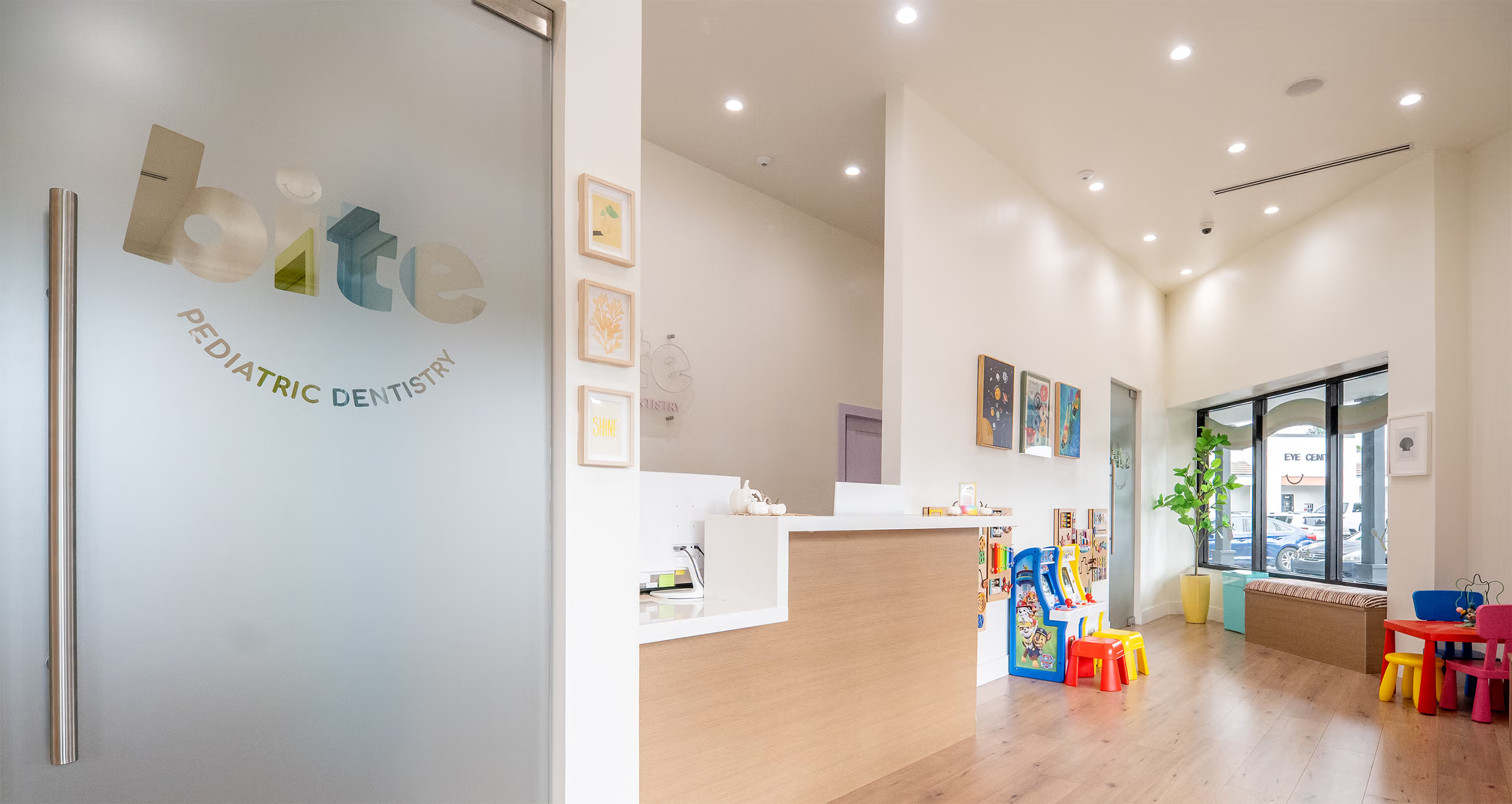
Our pediatric dental office is conveniently located in Miami Lakes, making frenectomy evaluations and treatment more accessible for local families and those in surrounding communities. We provide a welcoming, child-friendly environment where parents can discuss concerns about tongue or lip movement, feeding, oral hygiene, dental development, or related functional difficulties.
Our Miami Lakes pediatric dental office also welcomes families from Hialeah, Hialeah Gardens, Miami Springs, Miramar, Doral, and surrounding communities. With weekday appointments, Saturday availability, and a child-friendly setting, we make it easier for parents to access personalized dental care close to home.
.svg)
.svg)
.svg)

.svg)
.svg)