


A first dental appointment can feel like a big step when you do not know what will happen. Most first visits are short, gentle, and focused on helping your child feel safe.
Knowing what to expect at the first dentist visit can help you stay calm too. The dentist will check your child’s teeth and gums, discuss daily care, and answer questions. Cleaning, fluoride, or X-rays may be included based on age and need.
The American Academy of Pediatric Dentistry recommends a first checkup when the first tooth appears or no later than the first birthday.
You do not need to wait for pain, a cavity, or a full set of teeth. An early baby dental exam gives parents useful guidance and helps children become familiar with the office through simple, low-pressure visits.
A child’s first dental checkup is a chance to see how the teeth are developing and learn how to care for them at home.
The team may introduce the chair, light, mirror, and toothbrush before beginning. A toddler dentist appointment might start with the child beside a parent or exploring the chair. The goal is trust, not perfect cooperation.
You may be asked about brushing, toothpaste, bottles, snacks, pacifiers, tooth pain, or past injuries. Dr. Garcia helps parents connect these routines with their child’s teeth, so the advice fits everyday life.
The dentist will count the teeth and look for cavities, chips, or hard-to-clean areas. The gums, bite, jaw growth, and spacing may also be checked. This part is usually quick, and small children are not expected to sit still for long.
During a baby dental exam, your child may sit on your lap and lean back toward the dentist. Some babies cry because the position and new faces feel strange. Crying does not automatically mean the check hurts or has failed.
A light cleaning and fluoride may be offered if appropriate. X-rays are not automatic during every first pediatric dental visit. They are used when the dentist needs information that cannot be seen by looking alone.
Learn more about checkups, cleanings, fluoride, and home care through preventive dentistry for children.
The team may show you how to brush, how much toothpaste to use, and when to start flossing. You may also receive guidance about bedtime bottles, sweet drinks, snacks, teething, and pacifier habits.
Parents often ask, what does a pediatric dentist do differently? A pediatric dentist adjusts the visit to a child’s age, comfort, and ability to cooperate.
Dr. Garcia uses simple explanations, demonstrations, short steps, or a parent-assisted lap check. The visit is not only about finding problems. It also teaches parents how to protect developing teeth.
A little preparation can make the appointment easier without turning it into a major event.
Avoid nap time, mealtime, or your child’s tired part of the day. Morning visits work well for many toddlers, but your child’s normal routine should guide the choice.
Say, “The dentist will count your teeth and help keep them clean.” Avoid warnings such as “It will not hurt,” since the word “hurt” may create a new worry. Do not share frightening dental stories.
Bring forms, insurance details, health information, medicines, previous records, and a comfort item. Write down questions about brushing, eating, tooth development, or habits.
Tell the office about sensitivity to light, sound, touch, or new places. Share communication needs and calming methods. Reviewing the practice’s children’s dental services can also help before you arrive.
Crying, hiding, or refusing to open can be normal. The room, light, unfamiliar people, and leaning back may feel strange.
Stay calm and avoid scolding. The team may use play, keep your child on your lap, complete a shorter check, or try another step later. Sometimes success simply means meeting the team and allowing a brief look.
The dentist will explain what looks healthy, what to watch, and when to return. You should leave with clear home-care steps.
If a cavity or damaged tooth is found, it may not be fixed that day. The dentist can discuss suitable restorative dentistry for children and plan another visit.
Sedation is not normally part of a routine checkup. If later treatment is needed and your child struggles to stay calm or still, ask whether sedation dentistry options may help.
Bite Pediatric Dentistry helps children approach first visits with patience, clear explanations, and age-appropriate care. Parents receive practical guidance for brushing, eating habits, and future checkups. The team adjusts each appointment to the child’s comfort, answers questions clearly, and helps families know what steps to take next with confidence.

Dr. G is a dedicated pediatric dentist committed to creating a safe, fun, and personalized dental home for every child. Drawing on advanced training and a gentle approach, Dr. G provides expert care with a focus on education and prevention. He is passionate about helping families build foundations for lifelong healthy smiles while ensuring children feel comfortable and confident.
A first pediatric dental visit often takes about 30 to 45 minutes, but a baby dental exam may be shorter. The timing depends on your child’s comfort, the number of teeth, parent questions, and whether cleaning or X-rays are needed.
A child’s first dental checkup should feel gentle. The dentist mainly looks at the teeth and gums and may complete a light cleaning. Tell the office before the visit if your child has tooth pain, swelling, an injury, or sensitivity.
Parents can often stay close during a toddler dentist appointment, and babies may be checked while resting on a parent’s lap. Office policies can vary, so ask when booking and share any comfort or communication needs in advance.
X-rays are not automatic at every first dentist visit. The dentist may suggest them when they are needed to see areas that cannot be checked by looking alone. Your child’s age, tooth spacing, past problems, and current concerns guide the choice.
Crying or refusing to open is common during a first pediatric dental visit. Stay calm and let the dental team lead. They may use play, short breaks, a lap check, or a shorter visit, then build comfort gradually at future appointments.

Most children should visit the dentist about every six months, even when their teeth look healthy. Still, the answer to how often should kids go to the dentist can change with age, past cavities, brushing habits, and new concerns.
Read More
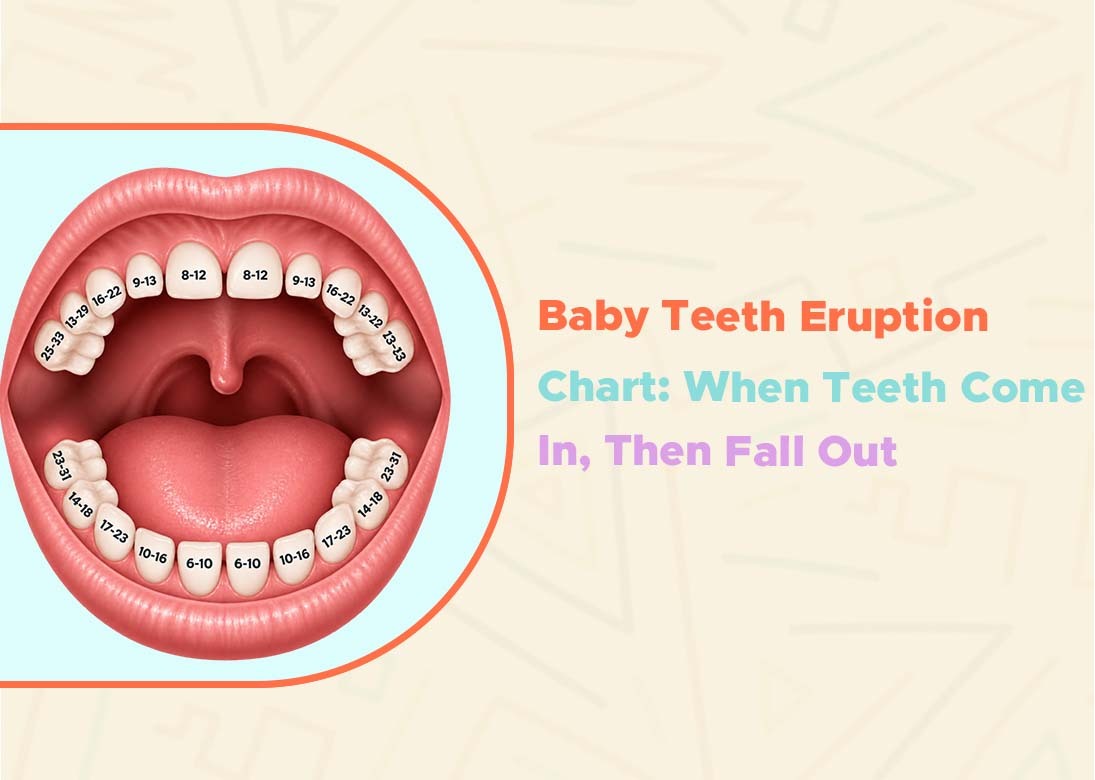
Learn when baby teeth usually come in, which teeth appear first, and when children lose them as their permanent smiles develop.
Read More

A simple guide for parents on timing your child’s first dental appointment and preparing them for a positive experience.
Read More
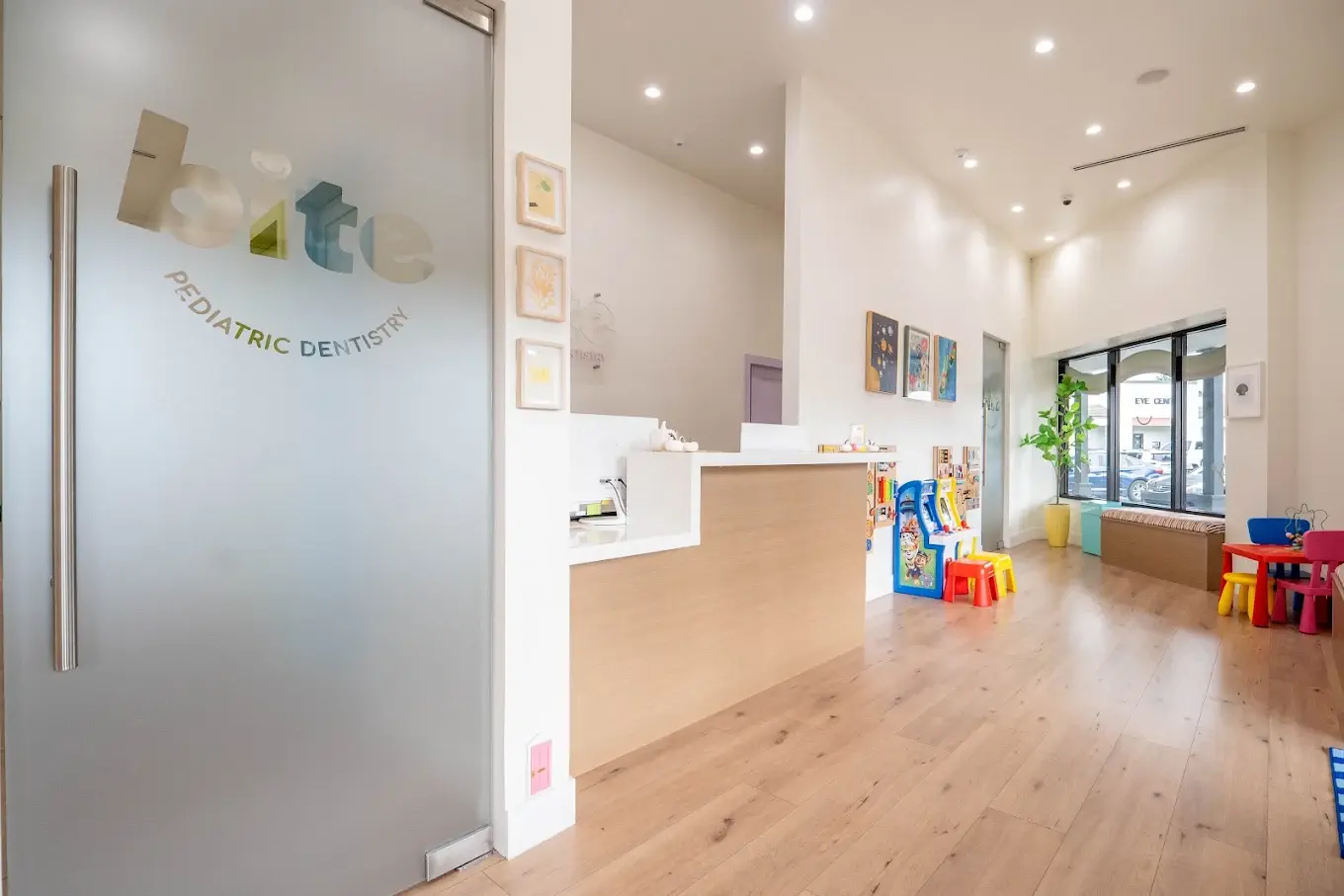
At Bite Pediatric Dentistry, we provide specialized dental care designed around the unique needs of infants, children, and teenagers in a welcoming environment.
Read More
© Bite Pediatric Dentistry 2026


