


A dentist says your child has a cavity, but that tooth will eventually fall out. So, do baby teeth cavities need fillings, or can you wait? Usually, a formed cavity needs treatment, although the right treatment is not always a filling.
The choice depends on the cavity’s size, how long the tooth must remain, symptoms, and whether it can still be repaired. Early care can keep a small problem from becoming painful.
Usually, yes. A cavity is a permanently damaged area or hole. Once a hole forms, brushing cannot rebuild the missing tooth structure.
An early chalky white spot is different. Fluoride, better brushing, and diet changes may strengthen the surface before a hole develops. The National Institute of Dental and Craniofacial Research explains that early mineral loss may be stopped, while a formed cavity requires repair.
Dr. Garcia helps parents understand which stage their child has before treatment.
Baby teeth help children chew, speak clearly, and hold space for adult teeth. Some back baby teeth remain until about age 10 to 12, so a child may need one for years.
Treating cavities in baby teeth can prevent food trapping, sensitivity, breakage, and infection. When a tooth is lost too early, nearby teeth may shift and reduce room for the adult tooth.
A small cavity may hold a tooth-colored filling. A large cavity that weakens several sides may need a crown because a filling may not stay strong enough.
A loose front tooth close to falling out may be watched. A back tooth expected to remain for years usually needs active care.
Pain, swelling, nighttime waking, trouble chewing, or a bump on the gum can make waiting unsafe. No pain does not prove the cavity is small.
The dentist checks how strong the tooth remains and may use an X-ray to find hidden damage. Dr. Garcia can show parents what he sees and explain the options.
Parents often ask what happens if baby tooth cavity is untreated when their child feels fine. A cavity can grow before pain begins.
A painless spot between back teeth may become large enough to trap food and hurt during meals. By then, a simple filling may no longer work.
Untreated damage can cause sensitivity, breakage, swelling, infection, poor sleep, trouble eating, and early tooth loss. An exam does not commit you to treatment; it provides facts for comparing options.
The question of filling or pulling a baby tooth depends on the tooth’s condition and how long it should remain.
A filling may suit a small or medium cavity when enough strong tooth remains. Restorative dentistry for children can restore the tooth’s shape and help stop further damage.
A crown may be better when the cavity covers several surfaces or leaves too little support for a filling. It protects more of the tooth during chewing.
Removal may be discussed when the tooth cannot be repaired, has a serious infection, or is close to falling out. When a back tooth is removed early, a small appliance may hold the space.
Very early damage may be slowed with fluoride or a cavity-stopping liquid. These choices cannot rebuild a large hole, and some darken the damaged area. The best baby tooth decay treatment depends on the tooth, age, and risk of growth.
During toddler cavity treatment, the dentist examines the tooth and may take an X-ray. For a filling, the area is made comfortable, the damaged part is removed, and the space is filled.
The plan depends on age, comfort, cavity count, and treatment length. Most children do not automatically need to be asleep. Sedation dentistry options may help a worried child relax while awake. Dr. Garcia explains why any comfort option is suggested.
Call a dentist promptly for facial or gum swelling, severe nighttime pain, fever with tooth pain, trouble eating or drinking, a bump near the tooth, or a badly broken tooth.
Swelling that affects breathing, swallowing, or the eye area needs urgent medical attention. A sudden end to severe pain also needs evaluation because the problem may remain.
Bite Pediatric Dentistry’s preventive dentistry services include checkups, fluoride treatments, sealants, and home-care guidance.
Most formed cavities in baby teeth should not be ignored. The choice depends on the cavity’s size, how long the tooth must last, and whether it can be repaired. Ask the dentist to show the problem, explain each option, and describe the risk of waiting.
Bite Pediatric Dentistry helps families understand children’s cavity care without confusing language. The team evaluates each tooth, explains practical treatment choices, and supports children through comfortable visits. Parents can explore the practice’s complete pediatric dental services for preventive guidance, fillings, crowns, and added comfort during treatment in one caring setting.

Dr. G is a dedicated pediatric dentist committed to creating a safe, fun, and personalized dental home for every child. Drawing on advanced training and a gentle approach, Dr. G provides expert care with a focus on education and prevention. He is passionate about helping families build foundations for lifelong healthy smiles while ensuring children feel comfortable and confident.
An early white spot may improve when fluoride, brushing, and eating habits strengthen the surface. Once there is a true hole, the missing tooth structure cannot grow back, so professional baby tooth decay treatment is usually required.
A deep, untreated cavity can cause infection around a baby tooth and may affect the area where the adult tooth is developing. Early loss can also reduce the space available, so timely assessment protects more than the visible tooth.
The tooth is usually made numb before damaged material is removed. Children may notice pressure or vibration but should not feel sharp pain. Tell the dentist about anxiety so comfort options and simple explanations can be planned.
A loose tooth near its natural falling-out time may sometimes be monitored, but size, pain, swelling, and infection matter. A back tooth that must last several years usually needs treatment even when it causes no discomfort.
A second opinion can help when several treatments are suggested, removal is recommended, or the explanation is unclear. Ask to see the X-rays and compare what may happen with a filling, crown, monitoring, or waiting.

A child's first dental visit is an important step toward lifelong oral health. This blog explains when to schedule the first appointment, what happens during the checkup, and how parents can prepare their child. Dr. Garcia at Bite Pediatric Dentistry focuses on gentle, age-appropriate care, preventive guidance, and making dental visits comfortable for children.
Read More

Most children should visit the dentist about every six months, even when their teeth look healthy. Still, the answer to how often should kids go to the dentist can change with age, past cavities, brushing habits, and new concerns.
Read More
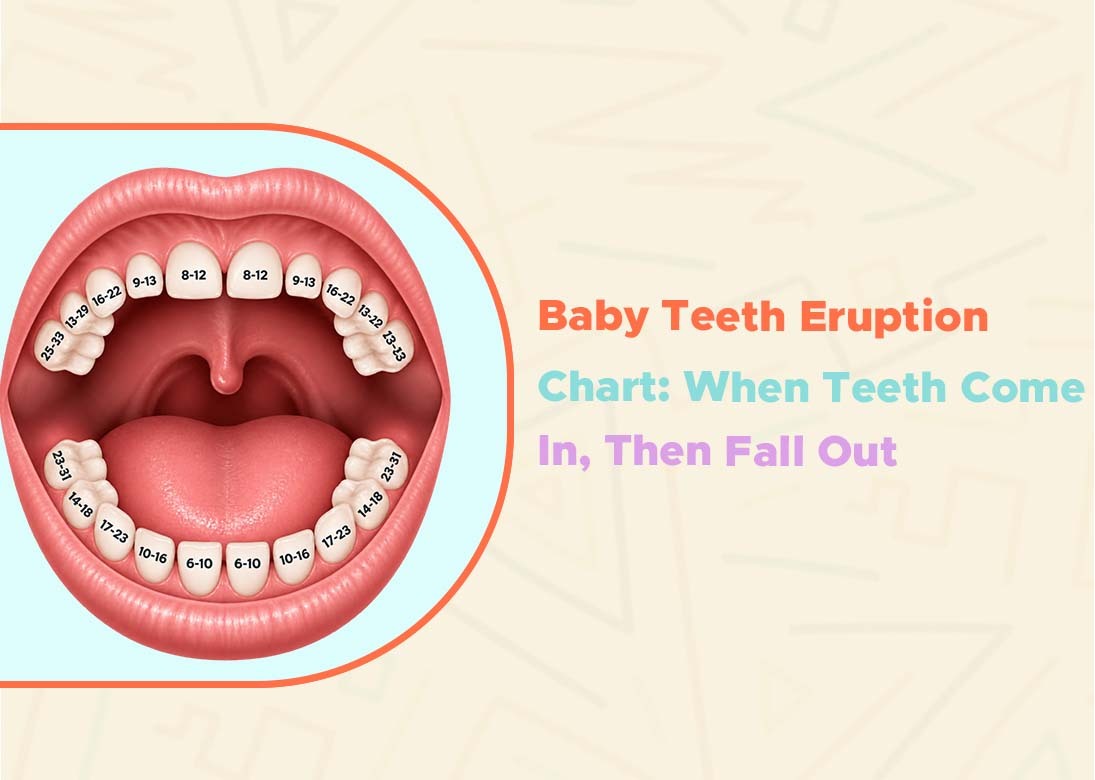
Learn when baby teeth usually come in, which teeth appear first, and when children lose them as their permanent smiles develop.
Read More
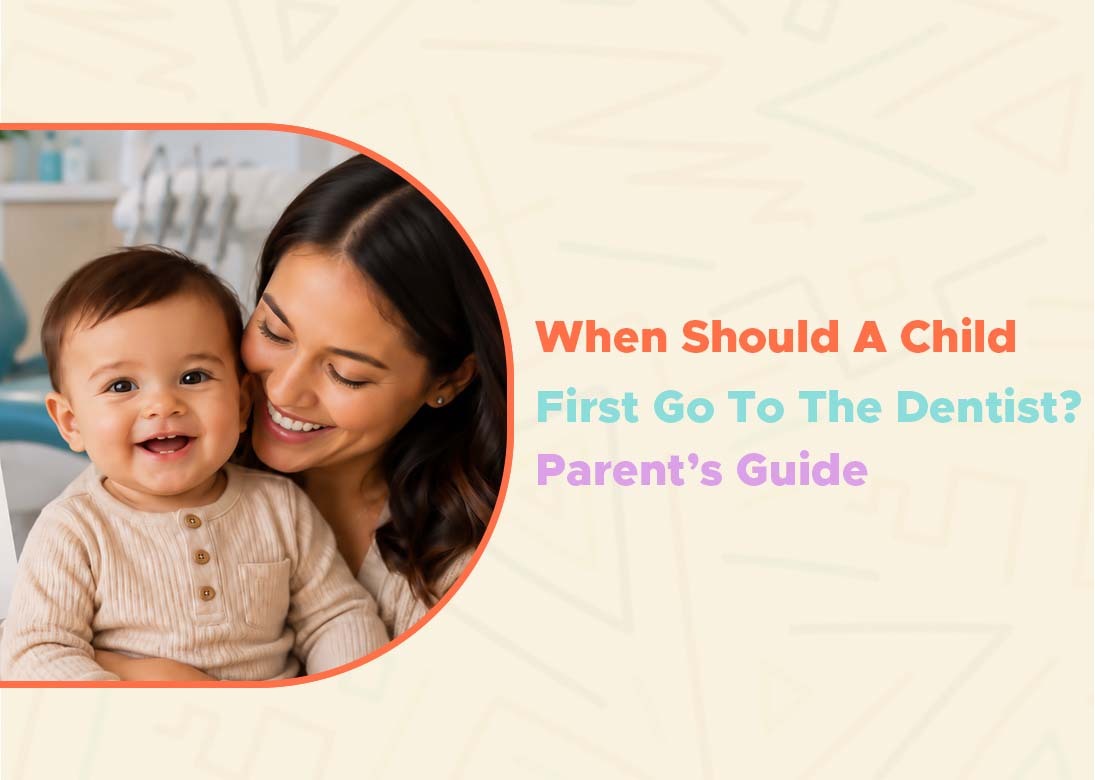
A simple guide for parents on timing your child’s first dental appointment and preparing them for a positive experience.
Read More

At Bite Pediatric Dentistry, we provide specialized dental care designed around the unique needs of infants, children, and teenagers in a welcoming environment.
Read More
© Bite Pediatric Dentistry 2026


