


A dental appointment may confuse a child. New sounds, bright lights, unfamiliar tools, and uncertainty can cause fear before the visit. Parents searching for how to prepare child for dentist appointments need clear steps, not vague reassurance.
The goal is not perfect behavior. Help your child understand the visit, feel supported, and complete what they comfortably can. Dr. Garcia guides parents toward simple explanations and realistic expectations that build trust.
A child afraid of dentist visits may dislike unfamiliar sounds, expect discomfort, remember a difficult experience, or hear an adult’s negative story.
Your child may also copy your tone and facial expressions. Instead of guessing, ask, “What part are you worried about?” Their answer helps you choose the right support.
Tell a toddler the day before or morning of the visit using one clear explanation. Give an older child more notice to ask questions. Avoid repeated reminders that let worry grow.
Try: “Tomorrow, the dentist will count your teeth and help keep them clean.”
Be honest without explaining tools or steps your child has not asked about. Avoid words such as “needle,” “drill,” “pain,” or “shot.”
Instead of “It will not hurt,” say, “The dentist will explain each step, and you can ask for a break.” Replace “You must be brave” with “Your job is to listen and tell us how you feel.”
To prepare a toddler for dentist visits, practise for five minutes. Count your child’s teeth with a toothbrush, then let them check a toy.
Read one short story or watch one calm video. The American Dental Association’s first dental visit guide also suggests positive talk, practising an open mouth, and using books or videos.
Book when your child is rested and fed. Avoid nap time, rushed mornings, or the end of a tiring day. Keep the routine simple.
Bring one familiar toy, blanket, book, headphones, or pair of sunglasses. Let your child choose it for one safe decision.
Tell the office about past difficult visits, fear of sounds, bright lights, or trouble sitting still. Dr. Garcia can use that information to guide parents and adjust how the visit begins. Review available children’s dental services so you can explain the purpose accurately.
Give choices that do not stop needed care. Your child might choose a toy, climb into the chair independently, hold your hand first, or select a flavor.
Do not ask, “Do you want the dentist to check your teeth?” Ask, “Would you like to sit by yourself or start beside me?”
Agree on a raised-hand signal for a short break and practise it beforehand. This gives your child some control while the dental team continues one step at a time.
If your child cries, avoid bargaining, shame, or threats. Ask for one smaller goal, such as sitting down, opening briefly, or allowing a quick tooth count.
A short visit can still succeed if your child leaves with more trust than they had on arrival.
Never use the dentist as a warning for poor brushing. Avoid frightening stories, false promises, and repeated questions about fear.
Large bribes can also send the wrong message. “You will get a big toy if you do not cry” suggests danger. Choose a normal after-visit activity and praise effort instead.
Explain only what matches the appointment. For preventive dental care, say the dentist will check and clean the teeth. If a tooth needs restorative dental care, ask the team which child-friendly words to use.
For a scared of dentist child, progress may happen in stages. Begin with office photos, meeting the team, sitting in the chair, and a short tooth count.
Do not call the visit a failure because every planned step was not completed. Entering calmly or opening briefly may be meaningful progress.
Ask whether the office helps toddlers and nervous children, offers introduction visits and breaks, and explains tools first. Ask about parent presence before booking.
For strong fear during necessary treatment, parents can discuss sedation dentistry for children with the dentist. Do not promise it beforehand. The dentist first needs to consider your child’s needs and planned care.
After the appointment, praise one specific action: “You told us when you needed a break,” or “You opened long enough for the dentist to count your teeth.” Do not criticize tears.
Later, ask what felt easiest and hardest. Share the answer before the next visit. Familiar routines can gradually reduce dental anxiety in children.
Bite Pediatric Dentistry gives children a welcoming setting where care can move at their pace. Dr. Garcia helps parents understand what to say before visits and supports children through unfamiliar steps. The team focuses on clear communication, patient guidance, and comfort, helping families build healthier, more confident dental routines together

Dr. G is a dedicated pediatric dentist committed to creating a safe, fun, and personalized dental home for every child. Drawing on advanced training and a gentle approach, Dr. G provides expert care with a focus on education and prevention. He is passionate about helping families build foundations for lifelong healthy smiles while ensuring children feel comfortable and confident.
Tell toddlers the day before or the morning of the visit using one simple explanation. Older children may benefit from several days’ notice, especially if they ask questions. Avoid daily reminders that allow worry to build.
Not always. Many routine visits include a cleaning, but the dentist first considers age, comfort, and tooth buildup. A baby's or young toddler's visit may focus on a gentle exam, parent guidance, and helping the child feel safe.
Yes. Even a few baby teeth can develop cavities. Early toddler checkups help parents improve brushing, choose tooth-friendly snacks and drinks, and notice changes that should be examined before the next planned dental visit.
No. Dental X-rays are taken when they can answer a specific question, such as checking between touching teeth or below a damaged tooth. Your child's age, cavity history, tooth spacing, and current needs guide the timing.
Book the next available appointment instead of waiting another six months. Mention pain, swelling, broken teeth, or visible spots when scheduling because these signs may require an earlier problem visit rather than a routine checkup.
Many dental insurance plans reset at the end of the year, which means unused benefits may expire. This blog explains how Miami Lakes parents can check their child's remaining dental coverage, review eligibility for preventive visits, and plan recommended treatments. It also covers important insurance questions, potential out-of-pocket costs, and how Bite Pediatric Dentistry helps families with insurance verification and flexible appointment options while keeping their child's oral health the priority.
Read More

Baby teeth cavities often need treatment to prevent pain, infection, and early tooth loss. This blog explains when fillings, crowns, or extractions are necessary, the risks of untreated decay, and effective prevention tips. Dr. Garcia at Bite Pediatric Dentistry emphasizes early diagnosis and personalized care to protect children's oral health and developing permanent teeth.
Read More

A child's first dental visit is an important step toward lifelong oral health. This blog explains when to schedule the first appointment, what happens during the checkup, and how parents can prepare their child. Dr. Garcia at Bite Pediatric Dentistry focuses on gentle, age-appropriate care, preventive guidance, and making dental visits comfortable for children.
Read More

Most children should visit the dentist about every six months, even when their teeth look healthy. Still, the answer to how often should kids go to the dentist can change with age, past cavities, brushing habits, and new concerns.
Read More
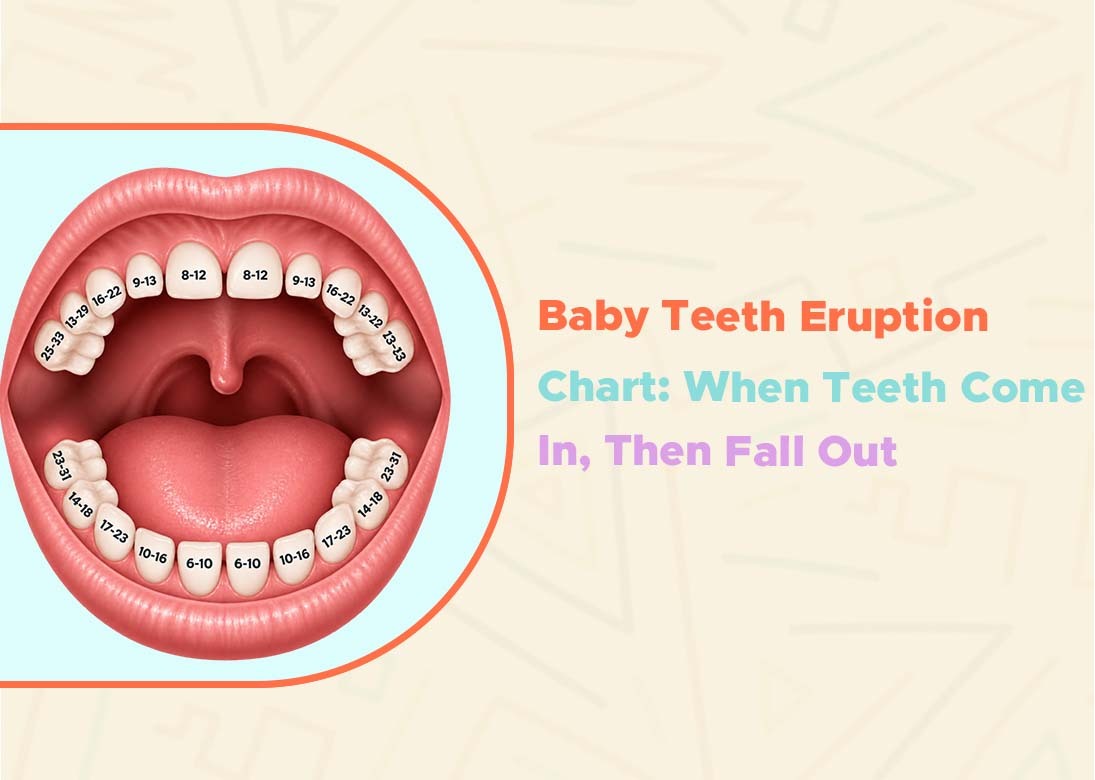
Learn when baby teeth usually come in, which teeth appear first, and when children lose them as their permanent smiles develop.
Read More
A simple guide for parents on timing your child’s first dental appointment and preparing them for a positive experience.
Read More

At Bite Pediatric Dentistry, we provide specialized dental care designed around the unique needs of infants, children, and teenagers in a welcoming environment.
Read More
© Bite Pediatric Dentistry 2026


